Building a Brand - Part 3

This framework is utilised for our brand-building offerings, such as Brand Identities, Rebranding and Brand Refreshers. Typically, we consider this part three(3) of our process. At this stage we would've distilled the insights gained in the discovery session, built out a comprehensive Brand Strategy and ready to bring it all together.

Crafting a Visual Masterpiece - the visual essence of building a brand.
Visual identity refers to the elements used to represent a company, organisation, or product, such as its logo, colour scheme, web design, illustration style, animation style, typography, icons, photography, and the overall aesthetic representation of the brand.
Defining Visual Identity
What It's Not
Contrary to common misconceptions, visual identity is not just a logo or a set of colours. It's not a superficial display, that makes the designers seem as they know stuff. It’s not a collection of random elements in the same colour scheme, arranged to look good.
What It Is
Visual identity is the visual language of a brand, a harmonious blend of design elements that encapsulates its personality, values, and purpose. It's the unmistakable fingerprint that sets a brand apart in a crowded market.
Markers of a Good Visual Identity
While "good" can be subjective; we can agree that the more of the following markers we can infuse in a cohesive system, the stronger the visual identity is.
Suitable - should be tailored to the target audience. Designs should evoke the intended emotions. Each visual design associated with the brand is suitable for a specific person, purpose, or situation; the audience persona generated in the brand strategy.
Distinct - should be able to sets itself apart from competitors and leaves a lasting impression on consumers. Is it easily recognisable? Can it be easily remembered by your audience?
Simple - designs should be straightforward and easy to comprehend. This simplicity benefits both internal designers and consumers, promoting clarity in communication.
Timeless - embrace flexibility, it should also possess the qualities that can easily evolve with the brand. The aim is always to build a visual identity that can withstand the test of time, staying relevant and be enduring.
Functional - the ability for elements to be seamlessly reproduced across various mediums is important. Visual assets will be utilised in digital, print, and physical spaces, at varying sizes, so there should be consideration for these diverse applications.
Key Components of a Brand's Visual Identity

What Should it Contain?
Before diving into design, consider the brand's strategy, values, and target audience. This sets the foundation for a strong visual identity.
Logo - The Heartbeat:
The logo is the pulsating core of a visual identity. It embodies the brand's essence in a singular, memorable mark. Think Nike's swoosh or Apple's iconic apple.
Develop a distinctive logo that encapsulates the brand essence. It will serve as the anchor for the rest of the visual identity. Remember, a logo(1) should be; Appropriate, Distinctive & Memorable and Simple.
Colour Palette - Painting Emotions:
Colours evoke emotions and play a crucial role in brand perception. Establish a palette that resonates with the brand's personality. Consider Coca-Cola's bold red or the calming blues of Facebook. Choose colours that resonate with the brand's personality and evoke the desired emotional response. Be sure to consider colour psychology(2) when selecting colours.
Typography - Crafting Character:
Fonts speak volumes about a brand. Choose typefaces that convey the energy of the brand. Google's friendly sans-serif or the classic elegance of Tiffany & Co.'s typography are stellar examples.
Pick typefaces that align with the brand character. Consistent typography ensures a cohesive visual language.
Motion - Dynamic Expression:
Consider motion as a vital component of a visual identity. In this digital age, dynamic elements and animations can enhance brand expression. Consider the kinetic energy in Netflix's intro or the fluid transitions in Google's Material Design. Bringing a dynamic dimension to the brand's expression. Consider how motion enhances the overall brand experience and how it would interact with the other parts of the system, mirroring the evolving nature of digital landscapes.
Imagery - Visual Storytelling:
Images convey narratives. Select visuals that reinforce the brand story. Airbnb's diverse and inclusive imagery or National Geographic's captivating photographs are benchmarks in visual storytelling.
Source or create visuals that tell the brand's story. Consistency is key to reinforcing any visual identity, allowing imagery to play a pivotal role in conveying the narrative.
Iconography - Symbolic Language:
Icons can transcend language barriers, becoming symbolic representations of a brand. Look at Twitter's bird(even after a name-change and re-brand, it's still symbolic of the platform) or the universally recognised heart icon of Instagram.
Craft symbols or icons that can be universally recognised and associated with the brand. These iconic elements become the visual shorthand for the brand identity.
Here's a look at some visual elements from a rebrand done for Island Fella, TTO:


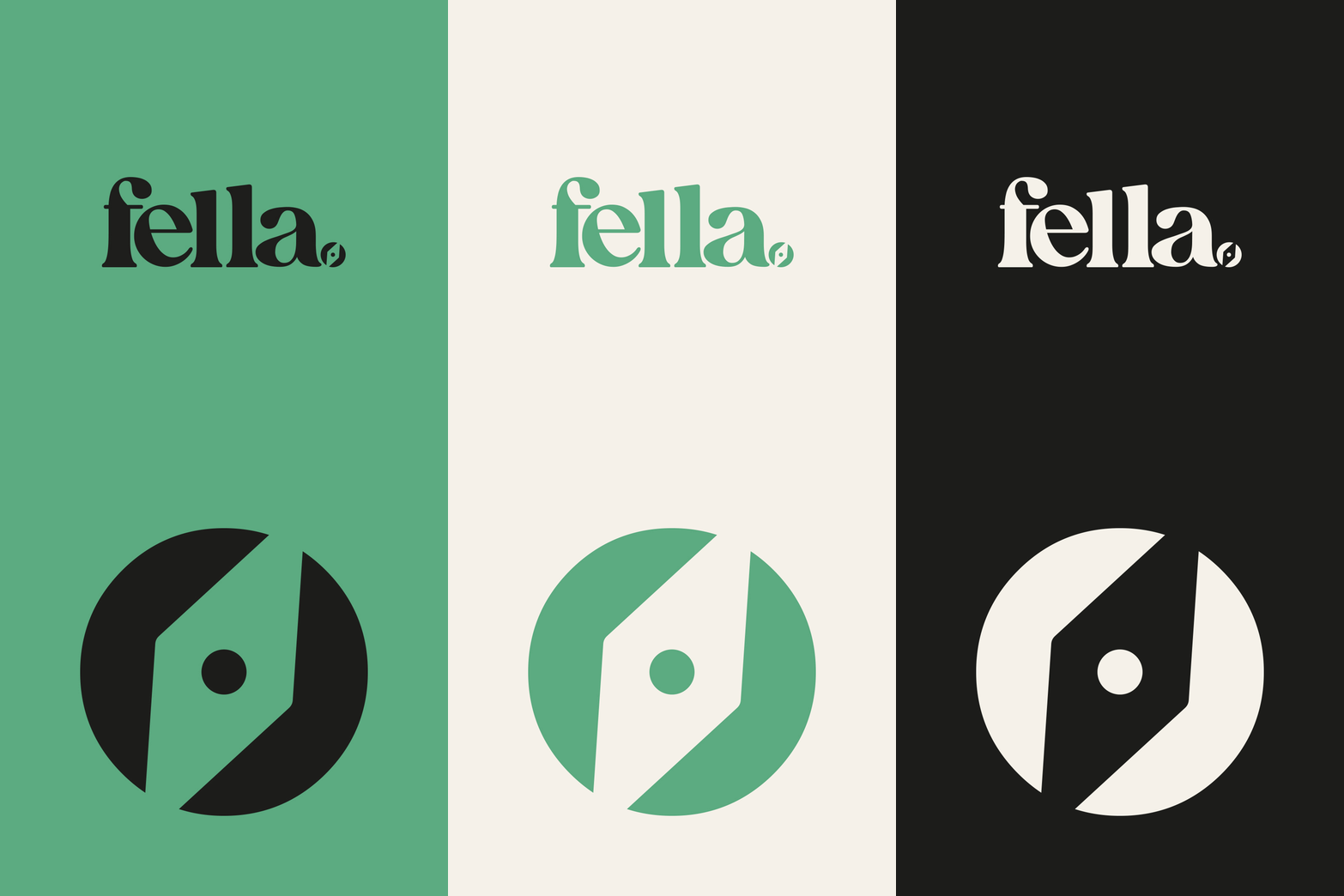


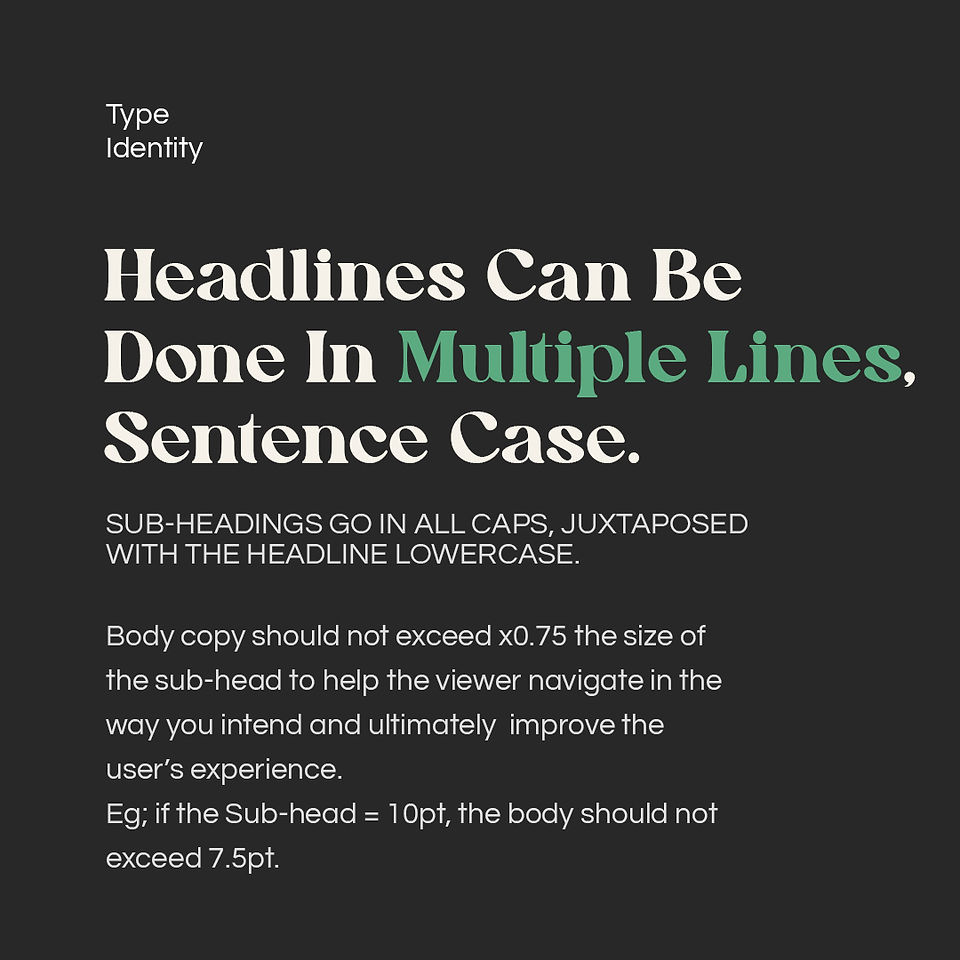



Maintain visual consistency across all brand touch-points for a cohesive and memorable identity. Design a visual identity system that allows for scalability and adaptation as the brand evolves. Consider the audience's preferences and expectations to ensure the visual identity resonates with them.
Examples in Action
1. Apple:
A masterclass in simplicity, Apple's visual identity is iconic and instantly recognizable.
2. Nike:
The swoosh embodies movement and empowerment, reflecting Nike's core values.
3. FedEx:
The hidden arrow in FedEx's logo is a brilliant use of negative space, subtly conveying speed and precision.
In conclusion, crafting a compelling visual identity requires a meticulous blend of strategy, creativity, and consistency. By following the footsteps of design visionaries and adopting best practices, the brand can resonate visually and leave an indelible mark in the minds of the audience.
Upcoming Notes!
(1) The Logo - Next week we'll talk about the types of logos, discussing all things logo-related.
(2) Colour Psychology - Join us next week to discuss colour psychology, its value and how/when to use.
Check Out Our brand building work


Comments